Children and Chiropractic Care
Supporting your child’s nervous system as they grow, learn and develop
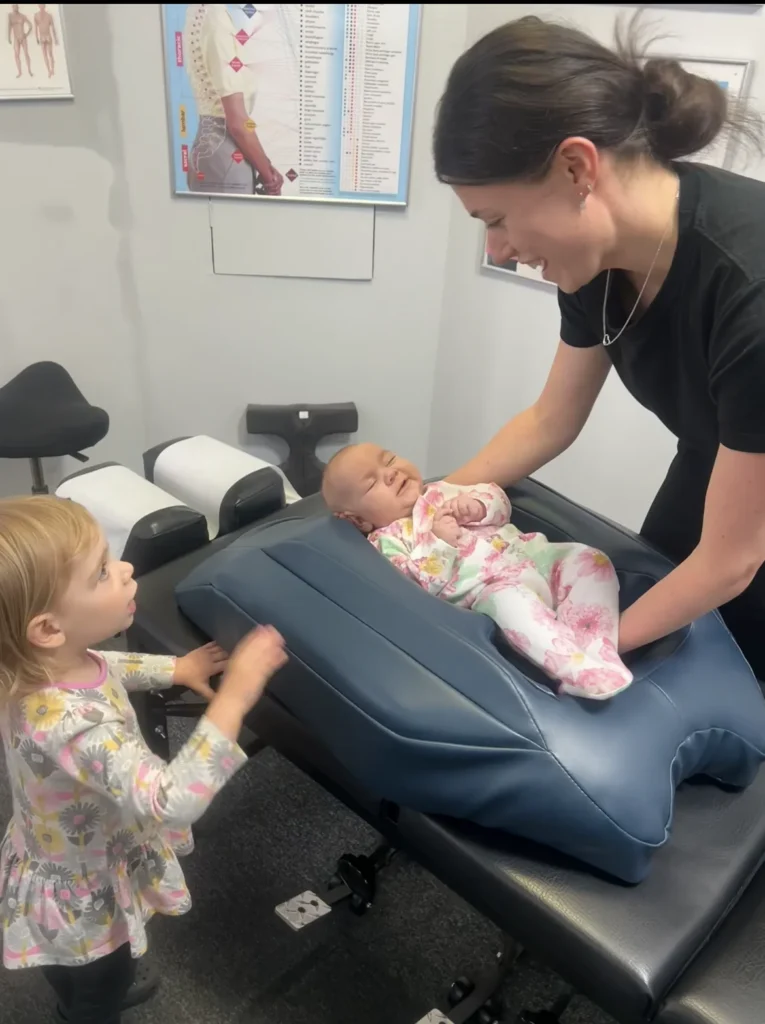
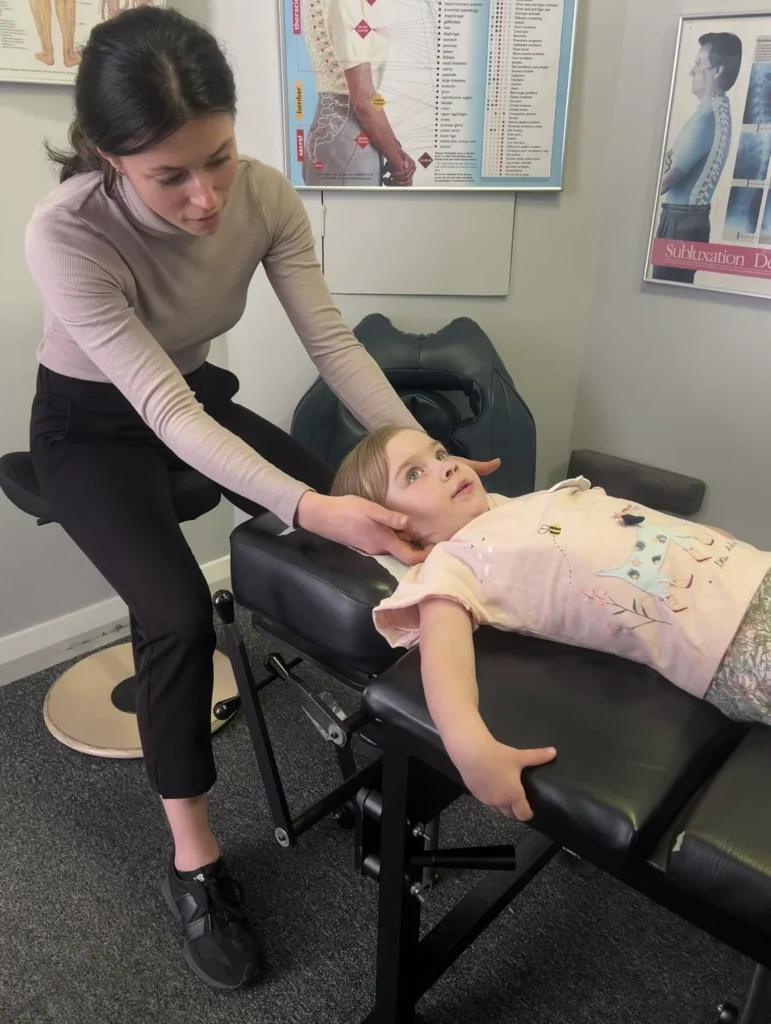
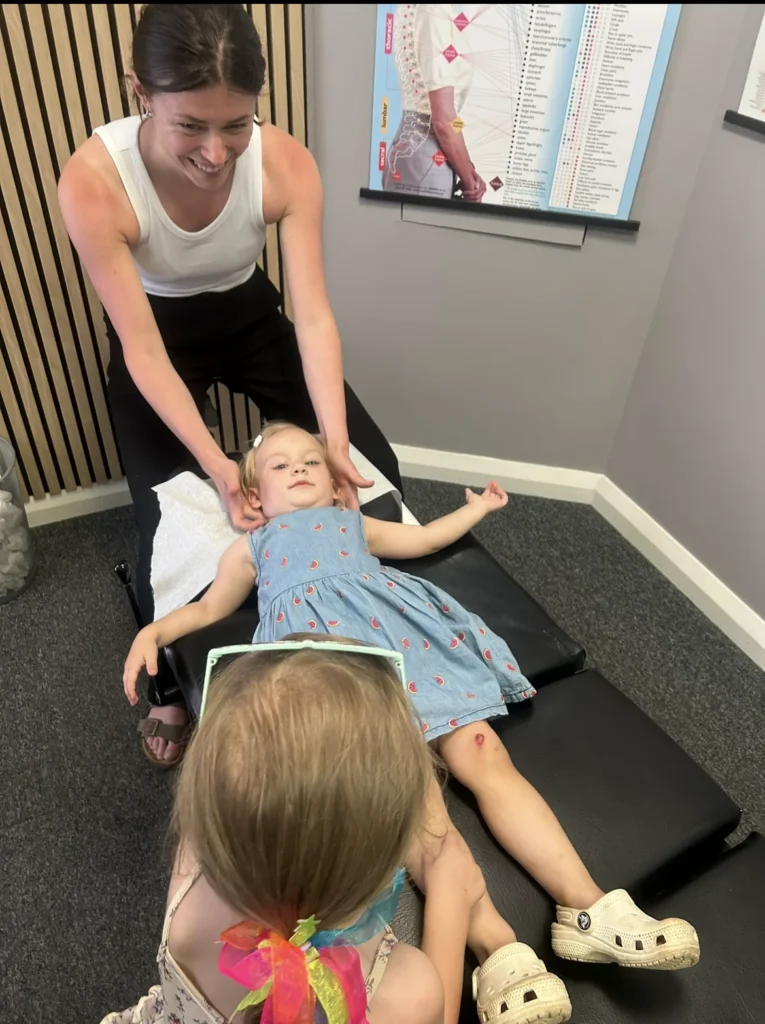
Our chiropractors are registered with the General Chiropractic Council and offer gentle, age-appropriate care for babies, children and teenagers. We assess your child’s spine, joints, posture and movement, explain what we find in plain language, and offer gentle care where it is appropriate. Chiropractic care is not a replacement for medical care, so if your child is unwell or you have a health concern, your GP or health visitor should always be your first port of call.
Paediatric Chiropractic Care for Growing Bodies
Your child’s nervous system is involved in almost everything they do, from sleeping, moving and digesting food to learning, regulating emotions and responding to everyday stress.
During childhood, the nervous system is continually developing and adapting to new experiences. Physical stress, emotional stress, changes in routine, growth and the demands of everyday life can all place demands on a developing nervous system.
Paediatric chiropractic care takes a gentle, age-appropriate approach to assessing the spine, movement and nervous system, with the aim of supporting the body’s ability to adapt and regulate.
Why does the nervous system matter?
The nervous system acts as the body’s communication and regulation system.
It coordinates movement and posture, while also playing an important role in processes such as sleep, digestion, sensory processing, emotional regulation and our response to stress.
A healthy nervous system needs to be able to move between different states, becoming more alert when we need to concentrate, play or respond to a challenge, and becoming calmer when it is time to rest, digest and recover.
This balance is the relationship between the sympathetic nervous system, often associated with the body’s fight or flight response, and the parasympathetic nervous system, which is associated with rest and digest.
When this system is under significant demand, some children may present with changes in the way they sleep, behave, move, feed, digest or respond to their environment.
What might a child with an overloaded or dysregulated nervous system look like?
Every child is different, and these signs can have many possible explanations.
These are some of the concerns parents may notice or discuss with their healthcare professional.
Sleep
- Difficulty settling at bedtime
- Frequent waking
- Restless sleep
- Difficulty staying asleep
- Waking tired
- Changes in normal sleep patterns
- Wetting the bed
Focus and attention
- Difficulty concentrating
- Easily distracted
- Difficulty remaining engaged with an activity
- Finding transitions between activities challenging
- Appearing particularly restless or unsettled
Emotional regulation
- Frequent emotional outbursts
- Difficulty calming after becoming upset
- Increased irritability
- Heightened worry
- Finding changes or transitions difficult
- Becoming overwhelmed more easily
Sensory processing
- Noise
- Bright lights
- Touch
- Clothing or textures
- Busy environments
- Certain sounds or everyday sensations
Movement and development
- Balance
- Coordination
- Body awareness
- Posture
- Movement patterns
- Motor development
- Physical confidence
Digestion and regulation
- Constipation
- Digestive discomfort
- Feeding difficulties
- Reflux symptoms
- Changes in appetite or bowel habits
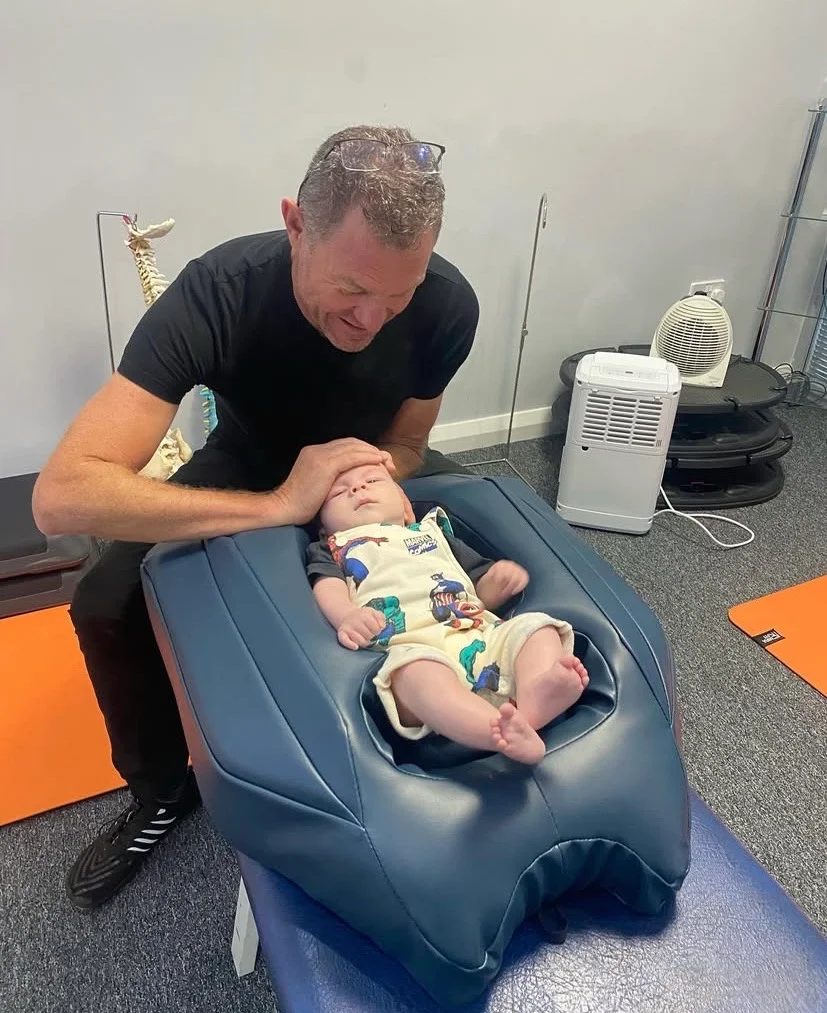
What about babies?
- Difficulty settling
- Sleep patterns
- Feeding or latching
- Preference for turning the head to one side
- Torticollis
- Movement or symmetry
- Colic, reflux or digestive concerns
- Difficulty becoming comfortable in certain positions
How does paediatric chiropractic care work?
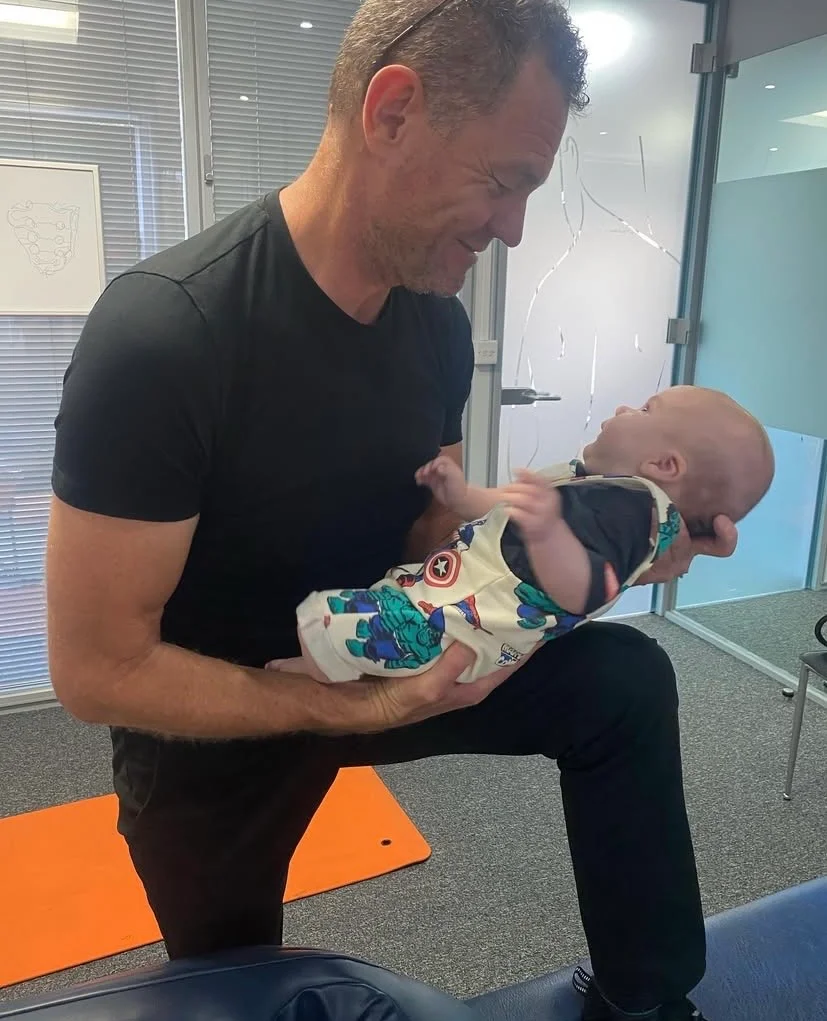
Paediatric chiropractic care is not simply adult chiropractic performed on a smaller body.
Children require an approach appropriate to their age, size, development and individual needs.
Firstly, we carry out a thorough consultation, which looks in detail at your child’s:- Health history, from preconception and their delivery process through to their developmental history
- Movement and posture
- Overall function
- Coordination
- Age-appropriate neurological and physical observations
- Your concerns as a parent
- Further investigation through our INSiGHT CLA scans
Supporting the nervous system
The aim of a nervous system focused approach is to consider how your child’s body is responding and adapting to the demands placed upon it.
Rather than focusing solely on one individual symptom, we may look at the wider picture, including movement, posture, sleep, stress, sensory experiences, development and general wellbeing.
Some families report noticing changes in areas such as:Sleep
Parents may report changes in settling, sleep patterns or their child's ability to relax.
Regulation
Some parents describe their child as appearing calmer or better able to cope with everyday changes and challenges.
Focus and engagement
Parents may report changes in their child's ability to settle, concentrate or engage with everyday activities.
Digestive comfort
Some families report changes in digestive comfort or bowel habits.
Movement
Changes in posture, coordination, movement or physical confidence may sometimes be noticed.
General wellbeing
Some parents describe their child as appearing more settled, comfortable or able to cope with everyday demands.
Meet our paediatric chiropractors
Dr Mark Blokland
With over 30 years of experience in chiropractic care, Dr Mark brings a wealth of knowledge and experience to his work with families.
Mark has a particular interest in SOT (Sacro Occipital Technique) and cranial work. Over the years, he has supported many families, including babies presenting with plagiocephaly (flat head syndrome), latching difficulties and torticollis, particularly following a difficult or traumatic birth.
His passion for paediatric chiropractic is also deeply personal. After choosing to adjust his own daughters from birth, Mark experienced first hand the difference that appropriate chiropractic care could make to his own family. This inspired a lasting passion for helping other parents and their children.
Today, Mark loves working alongside families and supporting children through their different stages of growth and development, always with a gentle, individualised approach.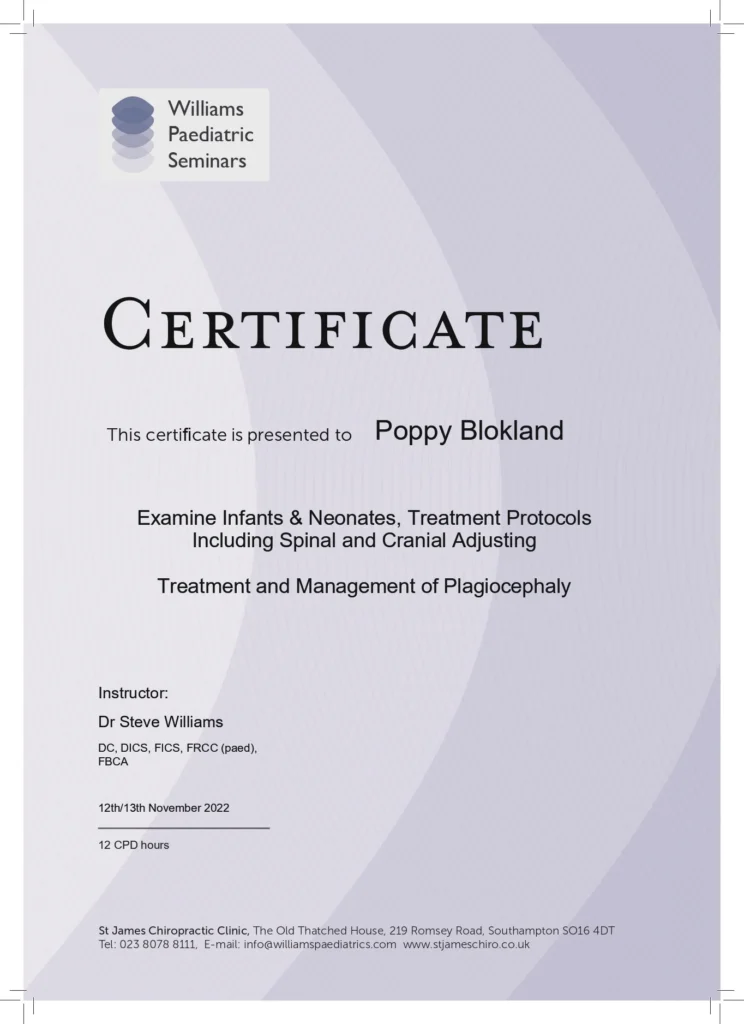
Dr Poppy Blokland
Dr Poppy has a particular passion for paediatric and family chiropractic care, helping children from babies through to teenagers.
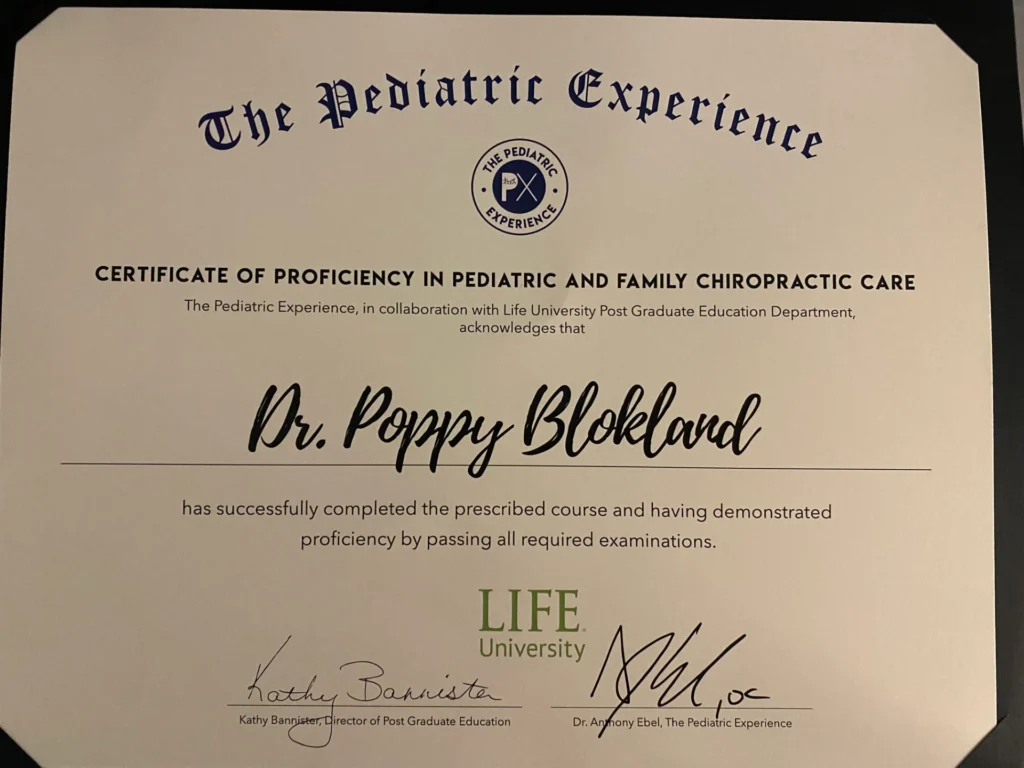
Poppy has completed both the Steve Williams Paediatric Chiropractic course and the PX Docs course in family-based care, further developing her knowledge and experience in working with children and families.
She loves seeing the positive changes that can occur as children progress through care. While parents may initially notice changes in areas such as sleep and general function, Poppy is also interested in the wider picture of a child’s wellbeing and development.
Families have reported noticing changes in areas such as communication, digestion and sensory regulation, and Poppy enjoys working with parents to understand their child’s individual needs and goals.
For Poppy, paediatric chiropractic is about more than simply looking at the spine. It’s about getting to know the child, listening to the family and understanding the bigger picture. Every child is different, and Poppy believes that care should reflect that, gentle, age-appropriate and tailored to the individual child.